
Evidence-based supplement audits
No hype, just what the studies show.
We check supplement labels against doses used in published human trials, calculate cost per effective daily dose, and say “skip” when the data is weak.
Independent label audits · No own supplement line · Training and diet come first
Latest from the Research desk
View Research hub →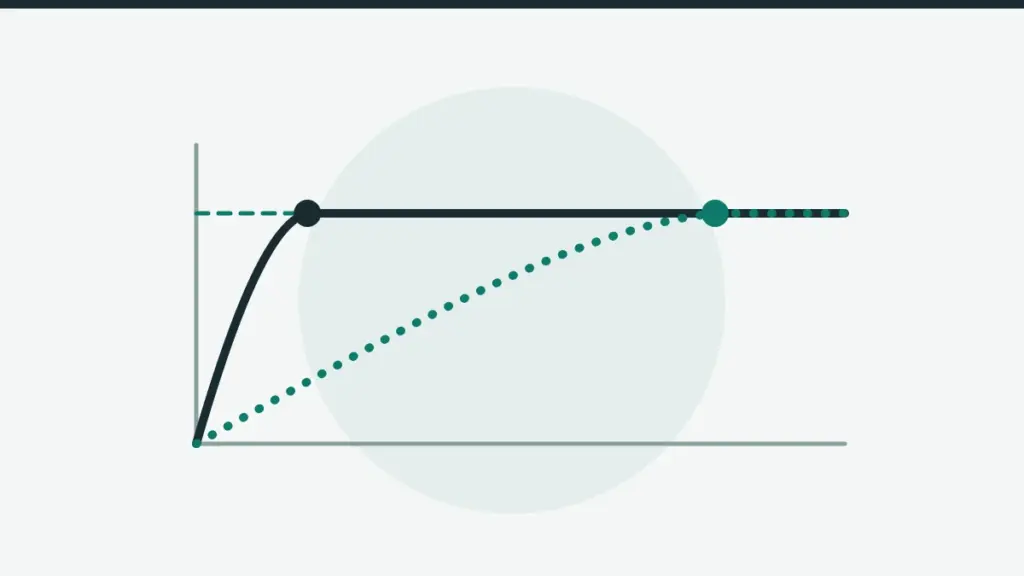
The 1996 creatine paper that says loading is a shortcut, not a requirement
In 31 men, loading with 20 g of creatine a day raised muscle creatine by about 20% in six days, and 3 g a day with no loading got to a similar level in 28 days. Loading is faster, but you don't need it.

Caffeine at 3 vs 6 mg/kg in trained sprinters: 3 did most of the work
In 21 trained sprinters, both 3 and 6 mg/kg of caffeine beat placebo on sprint, jump and power tests. The higher dose added a little on some measures but not others, and side effects weren't tracked.
Start with these guides & tools
All guides →
Protein for lifters over 35
A 2018 meta-analysis found protein plus lifting added a modest 0.30 kg of fat-free mass, with gains leveling off around 1.6 g/kg/day — and older men may need more at each meal.

How to read a Health Canada NPN (and what it does not prove)
How to verify an eight-digit NPN in Health Canada’s LNHPD and spot monograph vs. clinical evidence.

Creatine monohydrate for men over 35: dose, loading, hair, and kidneys
3–5 g/day monohydrate with training, optional loading math, 2025 hair trial, and creatinine lab context.

Cost per effective dose: compare supplement prices fairly
Normalize tubs by active grams and daily studied dose in USD or CAD instead of scoop size.